Kyoto Imperial Palace
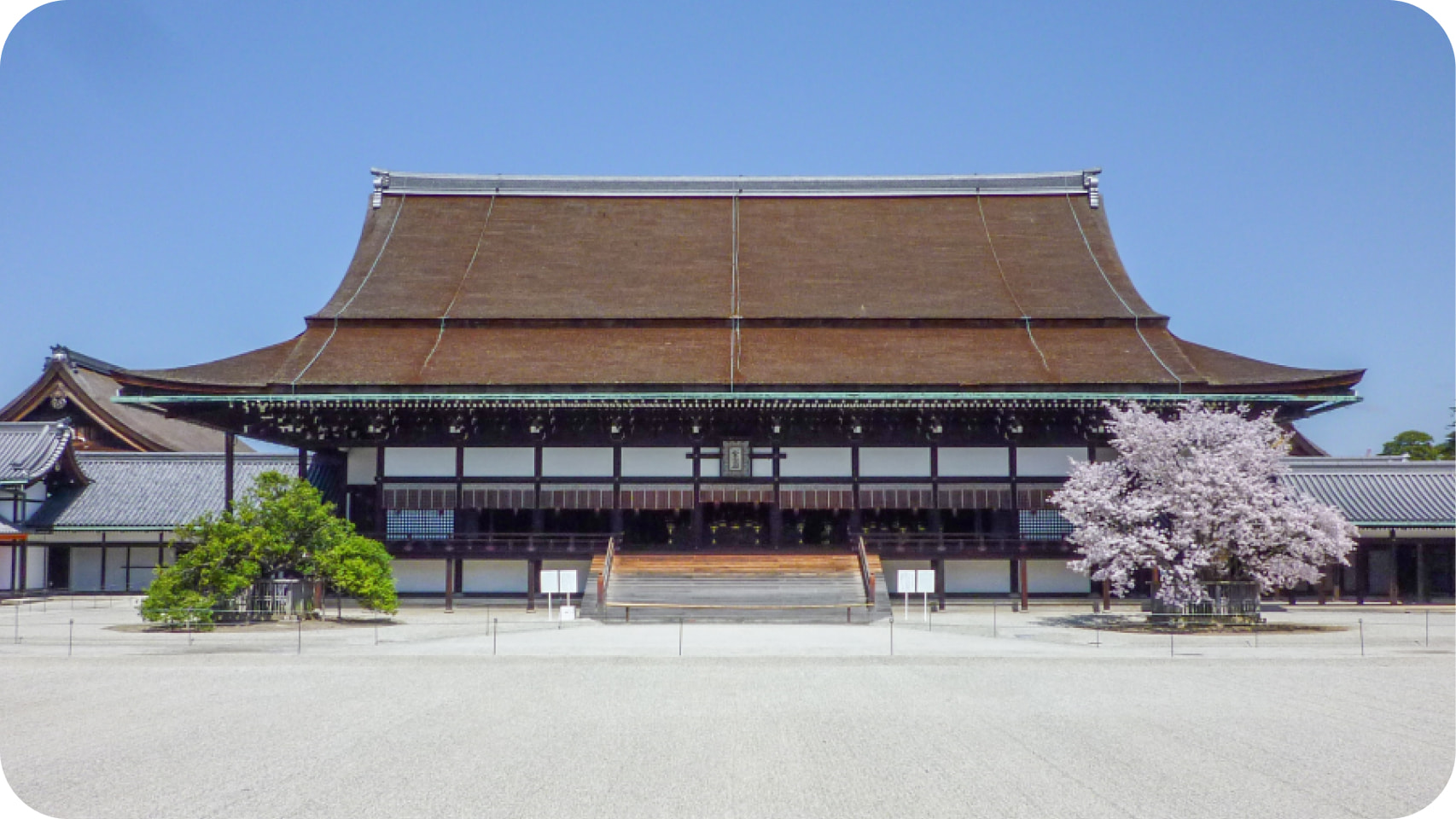
The Kyoto Imperial Palace was the former residence of the Emperor.
The Kyoto Imperial Palace is where Emperors once lived. It is in Kyoto, a city with over a thousand years of history. In ancient times, it was also called the "Dairi," and even today, it is a place where you can learn about Japan’s traditional court culture.
This Emperor’s residence was established here more than 1,200 years ago, when the capital was moved to Heian-kyo (part of modern-day Kyoto) in 794. At first, the palace was in a different place. But after several fires, it was rebuilt again and again, and finally moved to where it is now.
Today's Kyoto Imperial Palace includes buildings constructed toward the end of the Edo period.
To host traditional ceremonies, it was rebuilt based on the styles of the Heian period.
After the Emperor moved to Tokyo in the Meiji era, the Kyoto Imperial Palace was still used for important ceremonies for Emperor Taisho and Emperor Showa. Even today, it is used for Imperial ceremonies and is cherished as a place that keeps the traditional culture of the Japanese court alive.
Let’s look at the highlights of the Kyoto Imperial Palace.
Historically Important Buildings
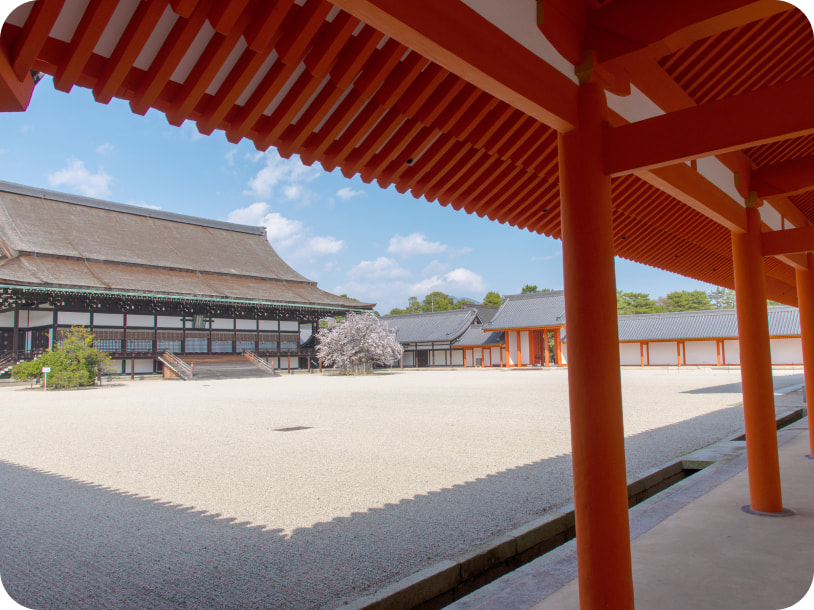
You can see buildings built in different traditional styles, such as "Shinden-zukuri" from the Heian period, "Shoin-zukuri" with tatami matted floors and shelves, and even some more modern buildings with chandeliers, which look similar to today's living spaces.
These buildings help you observe how Japanese architecture has changed over time.
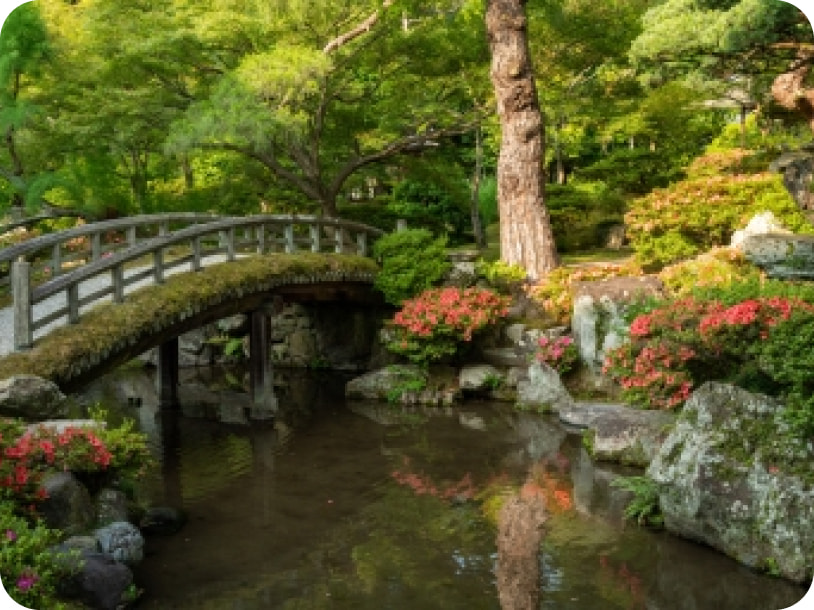
Two Beautiful Gardens with Seasonal Scenery
The first garden is called "Gonaitei," where water flows gently from north to south. In spring, cherry blossoms, azaleas, and wisteria bloom beautifully. In autumn, the maple leaves turn vibrant shades of red and orange. colors.In winter, the garden is adorned with picturesque snowy scenery. No matter the season, Gonaitei is always beautiful.
The second garden is called Oikeniwa, a spacious garden featuring a large pond. You can see something beautiful no matter where you stand in this garden.
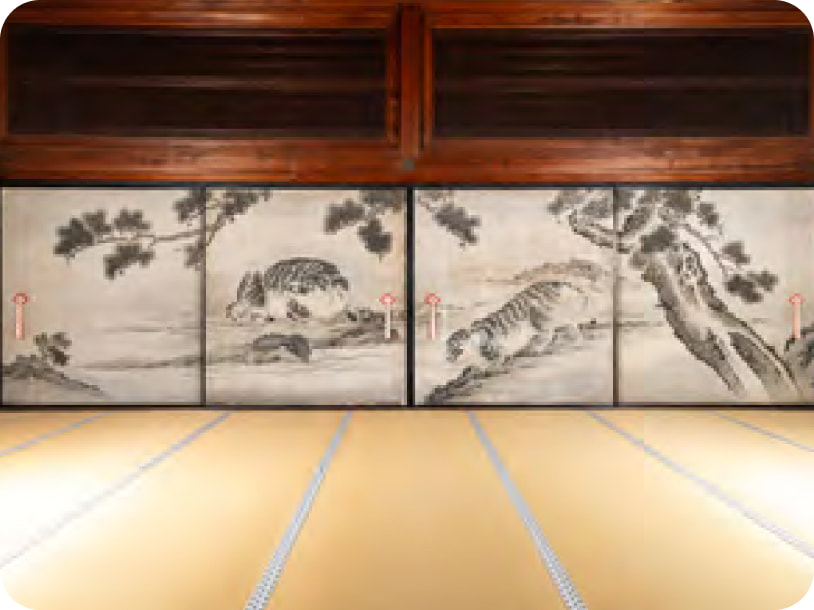
Historical Wall Paintings
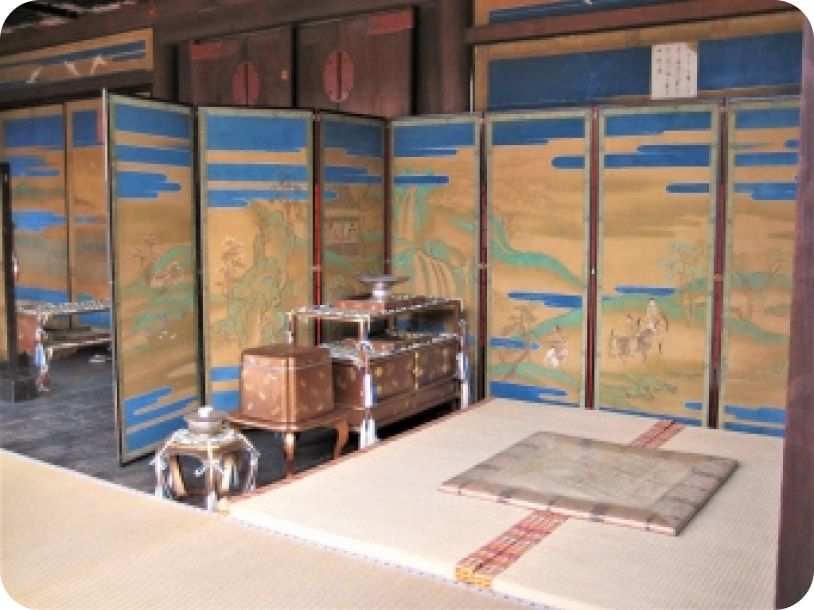
Inside the Kyoto Imperial Palace, there are about 1,800 paintings painted on the sliding doors and walls.
In the year Ansei 2 (1855), 97 excellent artists worked for a year and a half to create these beautiful masterpieces.