The Imperial Palace
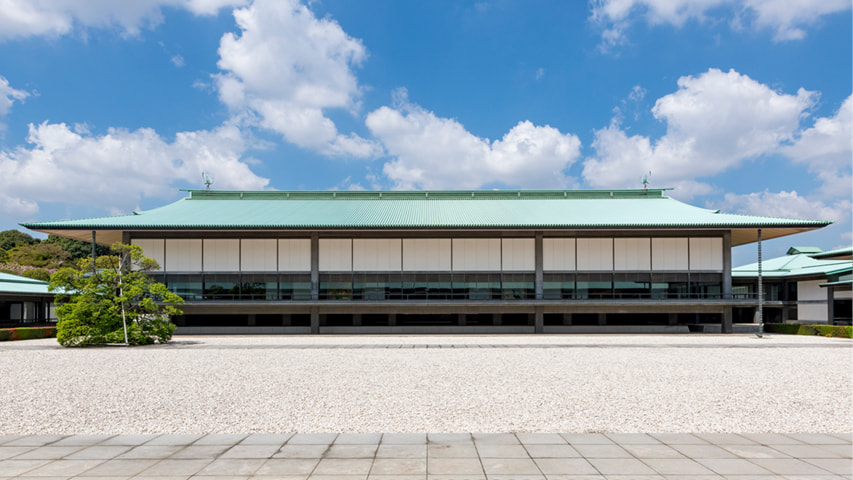
The Imperial Palace is where the Emperor and the Imperial Family live.
Since Emperor Meiji, all Emperors have lived at the The Imperial Palace. In the past, this place was called “Edo Castle,” and during the Edo period, it was the castle where the shogun lived. In the Meiji era, when the Emperor moved from Kyoto to Tokyo, it began to be called the “Imperial Palace.”
The grounds are vast and include the residences of the Imperial Family, the palace where national ceremonies are held, and gardens filled with nature. At the Imperial Palace, the Emperor carries out official duties for Japan and welcomes important guests. There are also places open to the public, such as the East Gardens of the Imperial Palace, where you can see the remains of Edo Castle. On special days, such as New Year’s and the Emperor’s birthday, the public is allowed to visit the palace and congratulate the Emperor. (This is called “Sanga.”) Even today, the Imperial Palace is carefully looked after as a key part of Japan.
Let’s look at some highlights of the Imperial Palace.
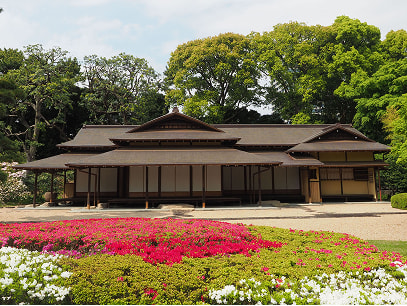
Imperial Palace East Gardens
This is a large garden open to everyone. Inside, there are wide lawns, old stone walls from the former castle, and yagura (watchtowers). You can also enjoy the beauty of each season, such as cherry blossoms in spring, irises in summer, autumn leaves in fall, and snowy scenes in winter. It is a wonderful place where you can see historical sites and beautiful scenery.
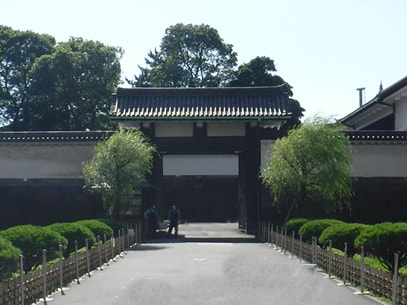
Otemon Gate
Otemon Gate is an impressive gate and one of the entrances to the East Gardens of the Imperial Palace. It was the main gate of the former Edo Castle and was an important gate used by feudal lords and their followers. Around the gate, there are moats and watchtowers, so you can feel the atmosphere of the old castle.
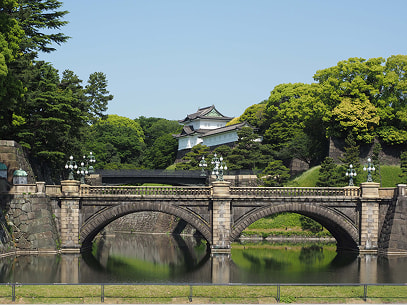
Nijubashi
The "Nijubashi" is a very famous bridge within the Imperial Palace. It is another name for the Seimon Tetsubashi. The Seimon Tetsubashi was originally made of wood during the Edo period but it then had an iron layer added to it. It was called "Nijubashi" (which means "double bridge") because a second bridge was layered on top of the first one, creating a double bridge. Even today, it is still called "Nijubashi." It is also a popular spot for tourists.