Gagaku (Japanese Imperial Court Music and Dance)
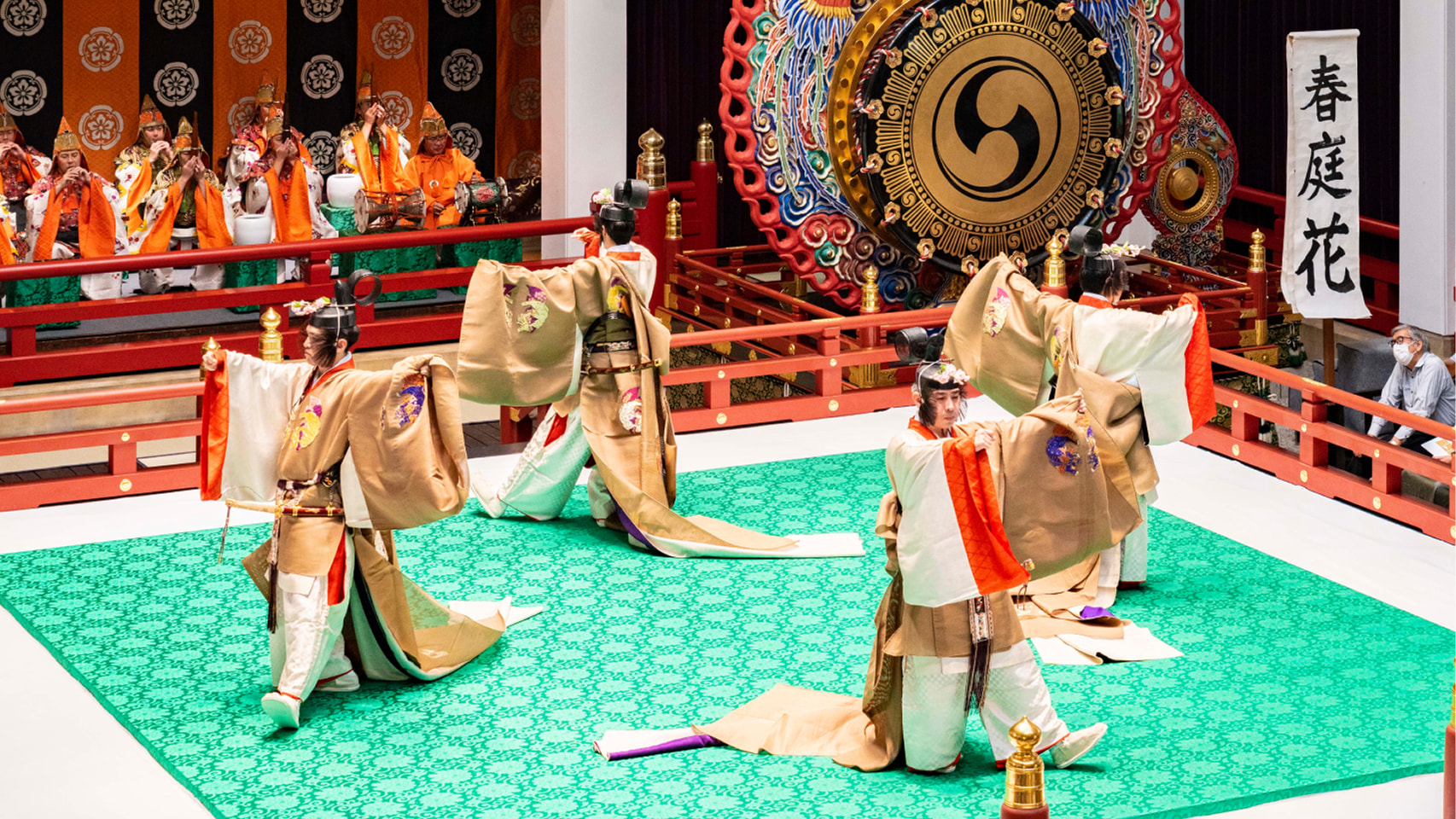
Gagaku is a traditional form of music and dance in Japan with a very long history.
Originally, Gagaku was started about 1,000 years ago by combining ancient Japanese music and dance, such as Kagura and Mai, with music and dance that came from foreign countries. Gagaku is performed during court ceremonies, events such as garden parties, and at the Autumn Gagaku Concert.
There are many styles of Gagaku.
For example,
- Styles that have existed in Japan since ancient times, such as Kagura and Yamato-mai
- Styles that came from foreign countries, such as Tōgaku and Komagaku
- Styles that were created in Japan but inspired by foreign countries, such as Saibara and Rōei
Also, many instruments are used.
- Wind instruments such as Shō, Hichiriki, and wooden flutes
- String instruments such as the Sō and Biwa
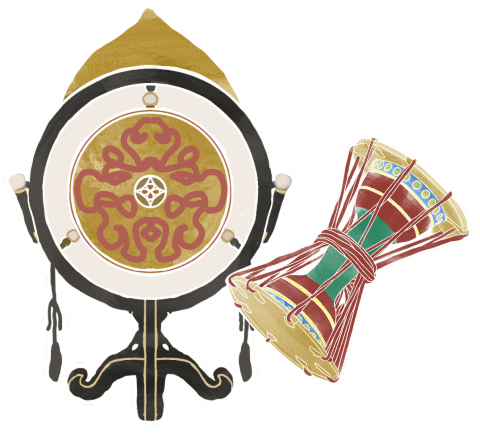
- Percussion instruments such as Taiko and San-no-tsuzumi
The Japanese government decided that Gagaku was an Important Intangible Cultural Property in 1955 (Showa 30), and UNESCO added it to the Representative List of the Intangible Cultural Heritage of Humanity under the Convention for the Safeguarding of the Intangible Cultural Heritage in 2009 (Heisei 21). Even today, the Music Department of the Imperial Household Agency, a specialist group, continues to perform and carefully look after this tradition.
Let’s look at the instruments used in Gagaku.
Wind instruments:
Instruments that are played by blowing air into them, like recorders or trumpets.
-
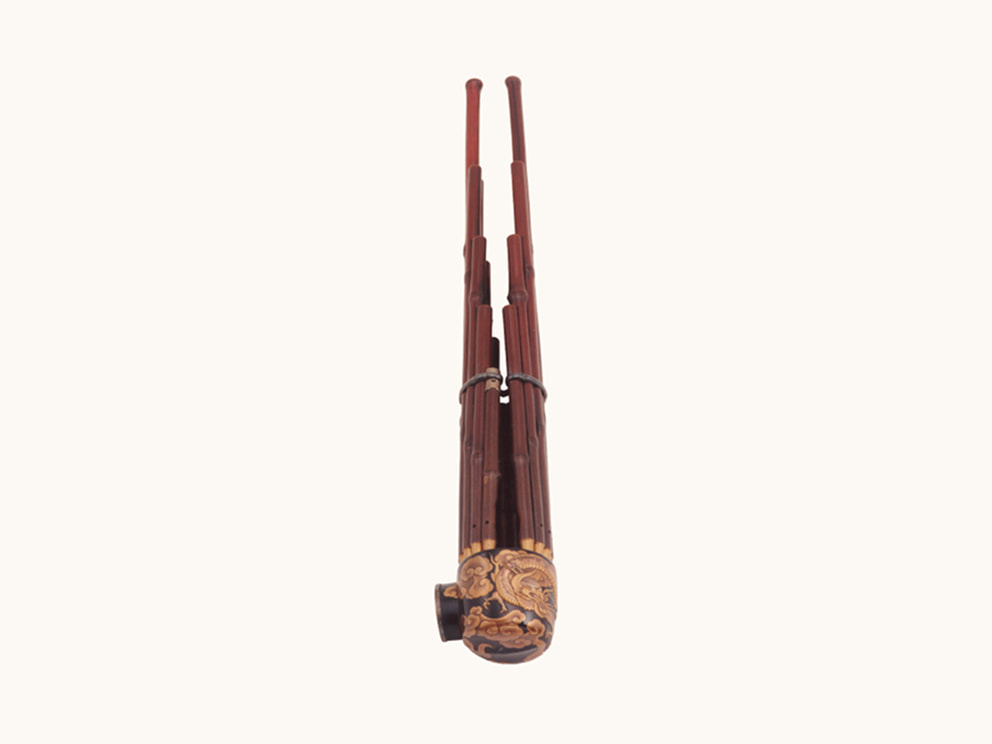
Shō -
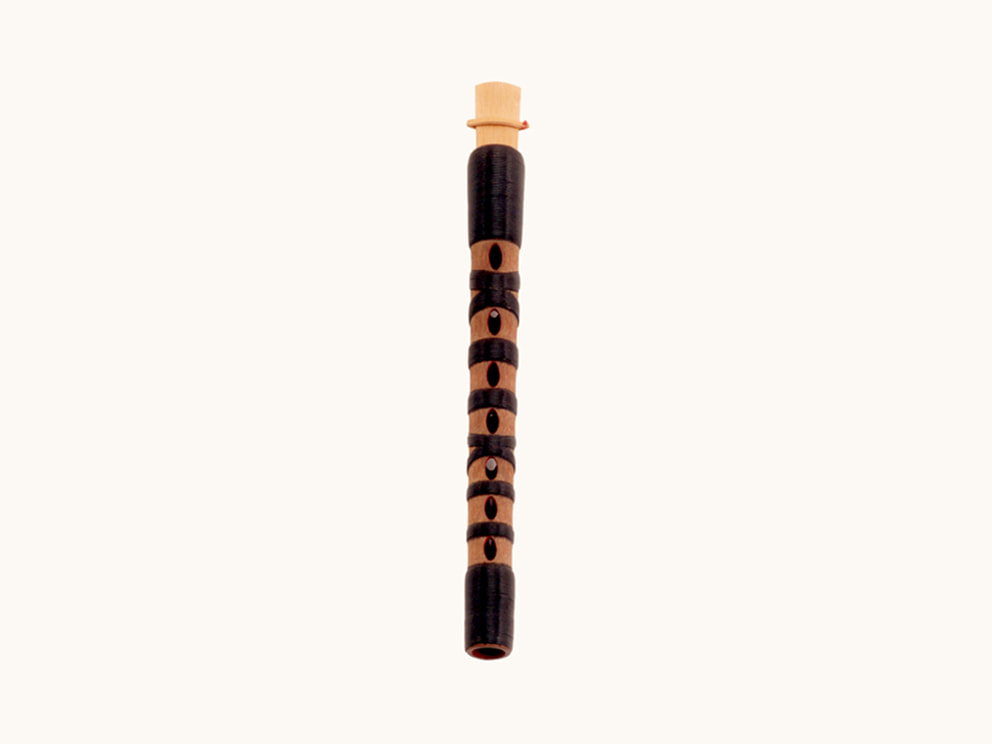
Hichiriki
String instruments:
Instruments that are played by plucking the strings, like guitars.
-
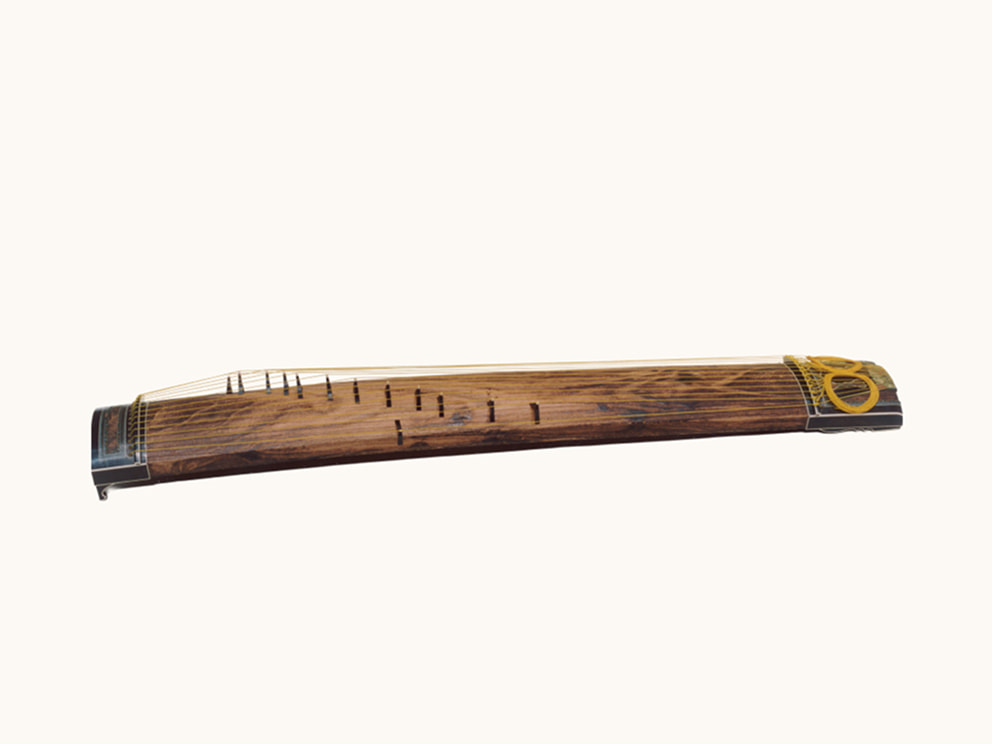
Sō -
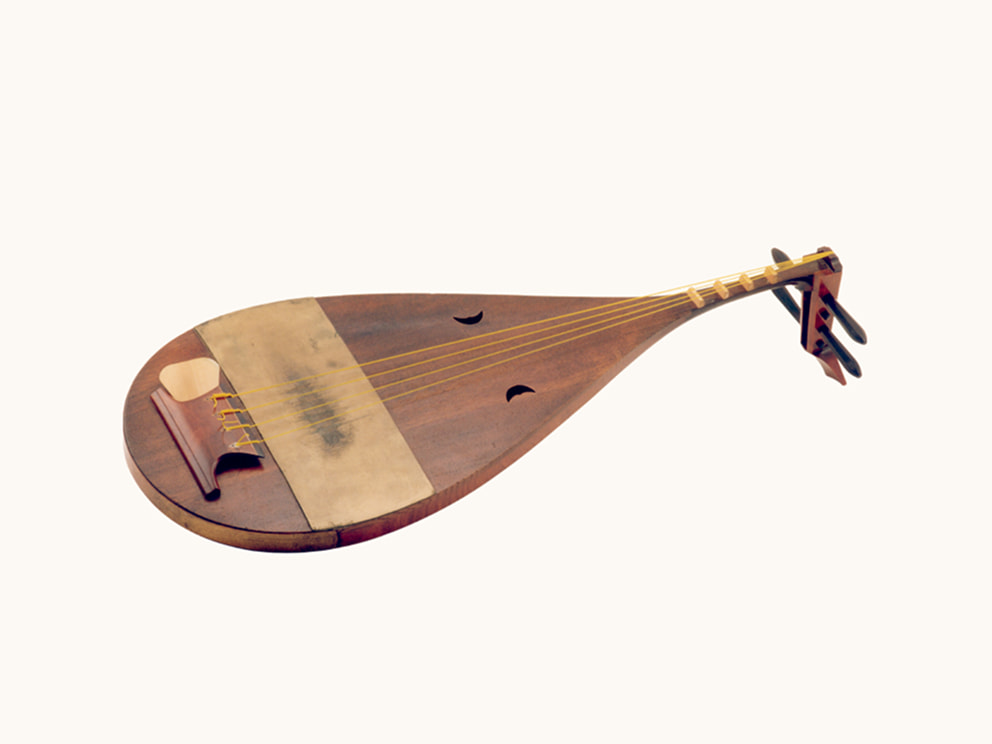
Biwa
Percussion instruments:
Instruments that are played by striking them, like drums or kodaiko.
-
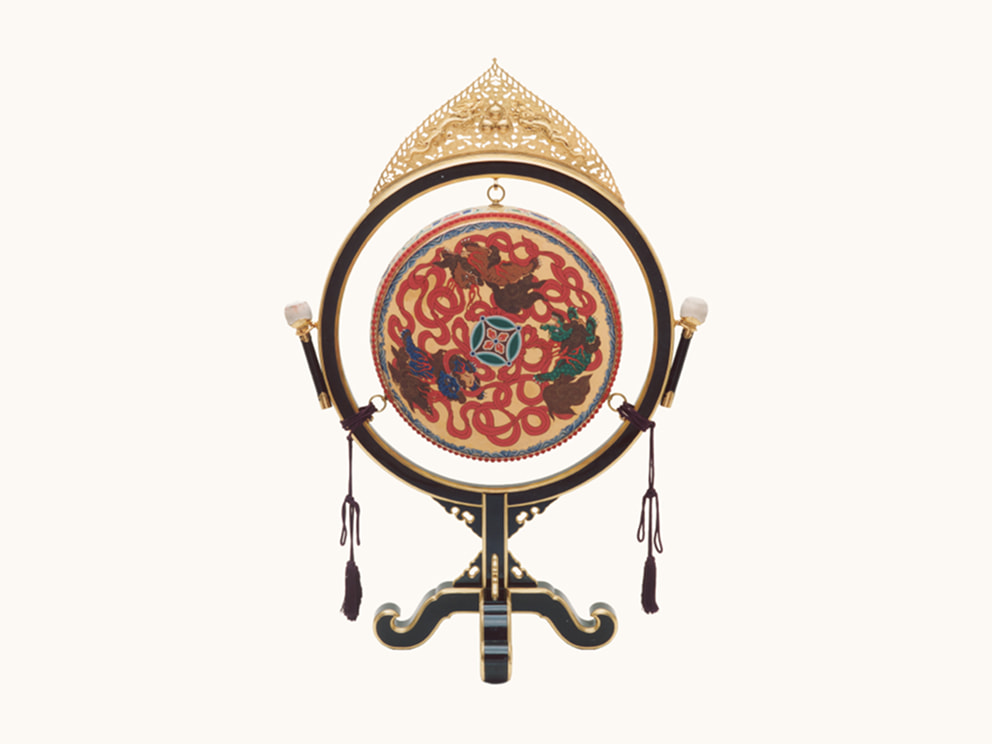
Taiko -
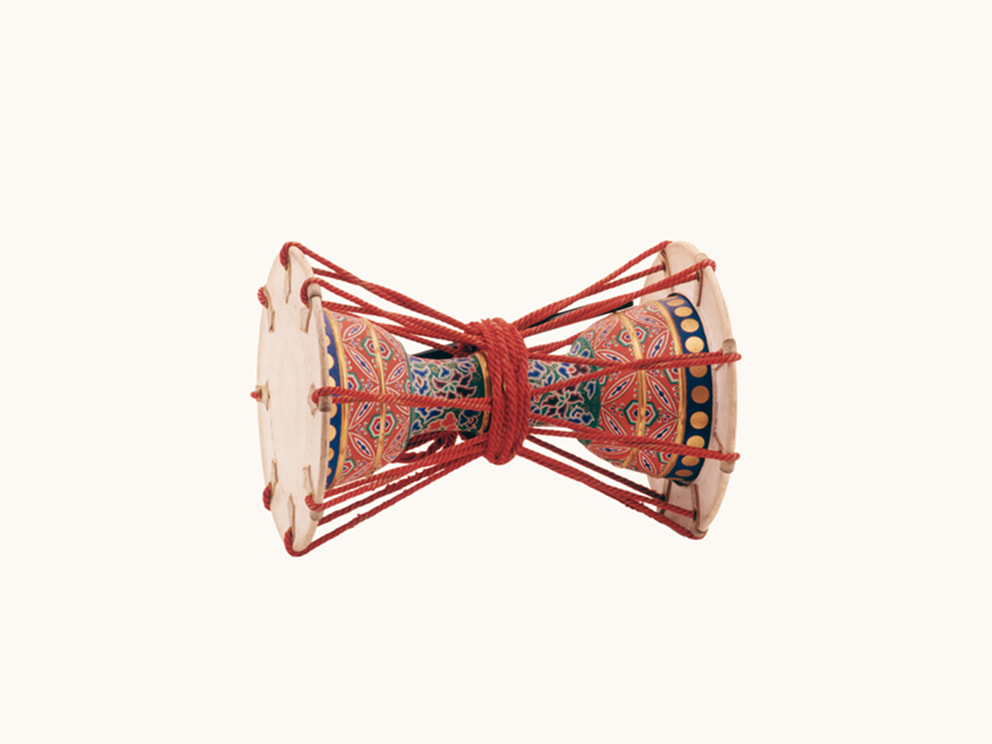
San-no-tsuzumi

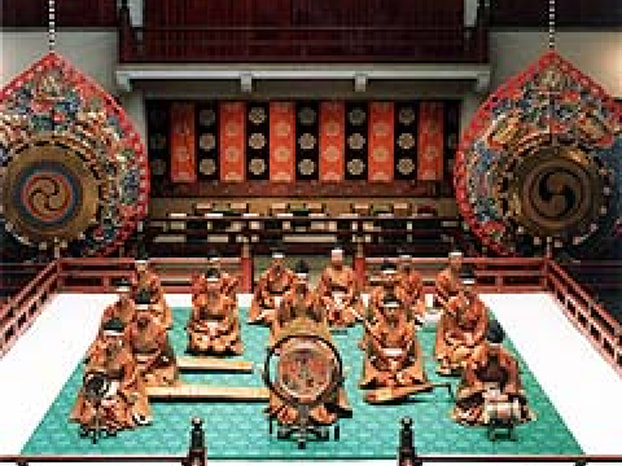
Gagaku concerts are held at the Imperial Palace around autumn. You can try to apply to attend.